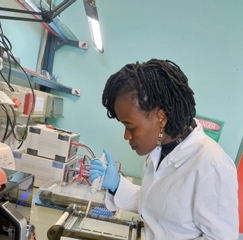
Snapshot of my continuing academic journey as a molecular diagnostics and environmental health professional. I am a PhD student passionate about developing molecular tools to improve health outcomes in vulnerable communities. My research focuses on detecting Schistosoma parasites in freshwater ecosystems using environmental DNA (eDNA) and Plasmodium in household trapped mosquitoes. These innovations aim to shift disease monitoring from a purely patient-centered approach to identifying where transmission occurs in the environment.
For diseases like schistosomiasis and malaria, screening people alone doesn’t tell us where they are contracting the diseases or where the risks lie. That’s why in our ATRAP (Action Towards Reducing Aquatic snail-borne Parasitic diseases) project , we focus on a transdisciplinary approach, understanding the interaction between the environment, people, and disease agents to contribute effectively to controlling or even eliminating vector-borne diseases.
My journey to this field has been both challenging and fulfilling. I have always wanted to contribute to improving community health. Initially, I hoped to study epidemiology but lacked the relevant experience. However, I didn’t give up. Instead, I pursued a Master’s in Sustainable Development at KU Leuven , supported by a VLIR-UOS scholarship. During my Master’s, I had the opportunity to work on female genital schistosomiasis in the Democratic Republic of Congo under the supervision of Dr. Tine Huyse. This experience was especially meaningful to me as a woman, addressing health challenges often neglected in women’s lives.
It hasn’t always been easy. In Africa, gender bias in science generally remains a significant barrier. When I first enrolled for an MSc program at Kenyatta University, I was the only woman in a class of five men. While I worked hard not to feel different, I wished there were other women with me. I’m glad this is changing, and I hope to inspire more women to pursue careers in science. Coming from a humble background, I know firsthand the power of perseverance and faith. I want to be a beacon of hope for young girls everywhere, showing them that their dreams are valid. Let no one stop you from achieving your goals. Dare to be different when needed, work smart, and trust in God to guide your path.
I feel incredibly blessed for the opportunities and recognition I’ve received. In 2021, I was honored with the MTAWA Outstanding Graduate Award. When I attended my first international conference, the European Multicolloquium of Parasitology (EMOP), I was humbled to receive three awards: Young Scientist Award, Audience Award and FAWPAR Award for the best oral presentation. It was an incredible and deeply affirming moment, reminding me that our work matters and makes a difference.
I am deeply grateful for the mentors and supporters who have been an integral part of my journey. I am especially blessed to have my husband and my mothers, who step into my motherhood role when I am unable to, and my family, whose unwavering belief in me fuels my determination. My son inspires me every day, his presence motivates me to work even harder, knowing that the example I set today shapes his future. Our work is not just about advancing science; it’s about creating tangible change in communities burdened by diseases like schistosomiasis and malaria. My story is a testament to the fact that with resilience, purpose, and a strong belief in yourself, anything is possible.
Cecilia Wangari Wambui
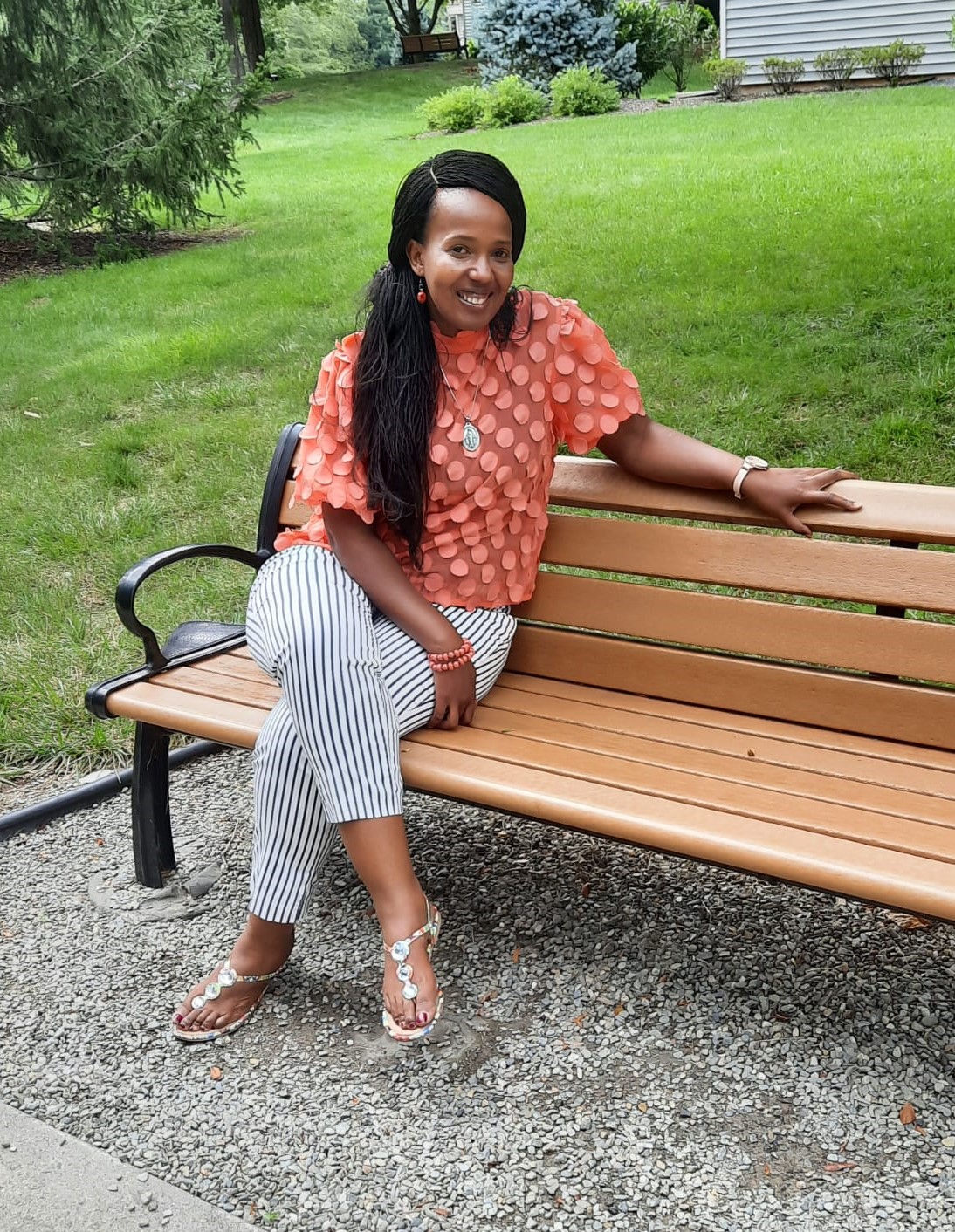 I am a Kenyan interdisciplinary environmental scientist who is passionate about tourism, conservation, and development issues. I gained interest in nature and the environment at a very young age, while traveling with family during the holidays. These moments sparked my interest to pursue a professional career in environmental science. By the end of my undergraduate studies, I developed a specific interest to explore the nexus of conservation and human impact and interventions.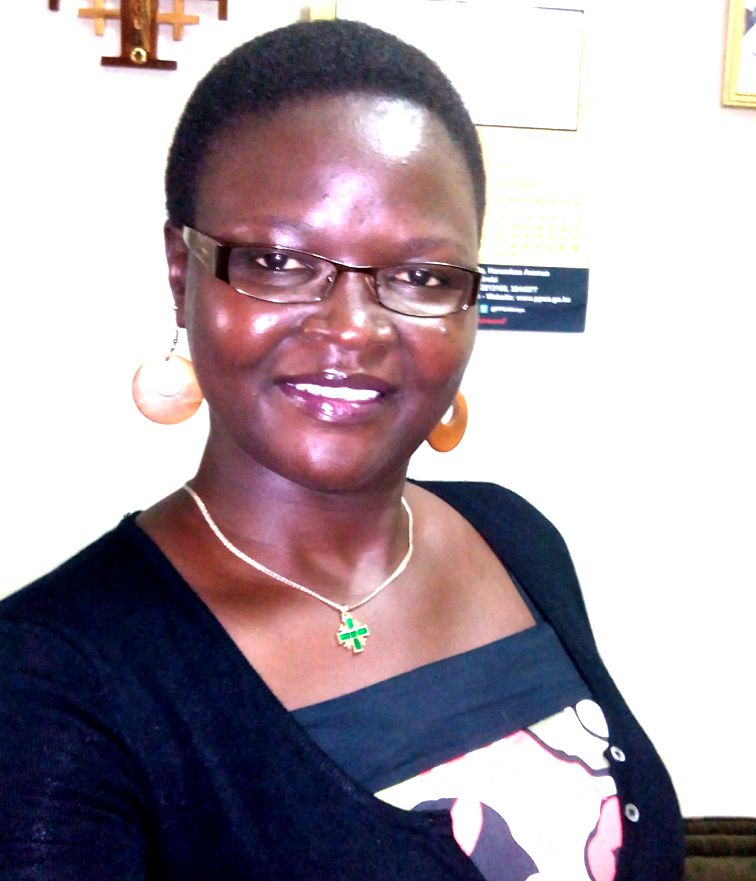
 MTAWA
MTAWA 